
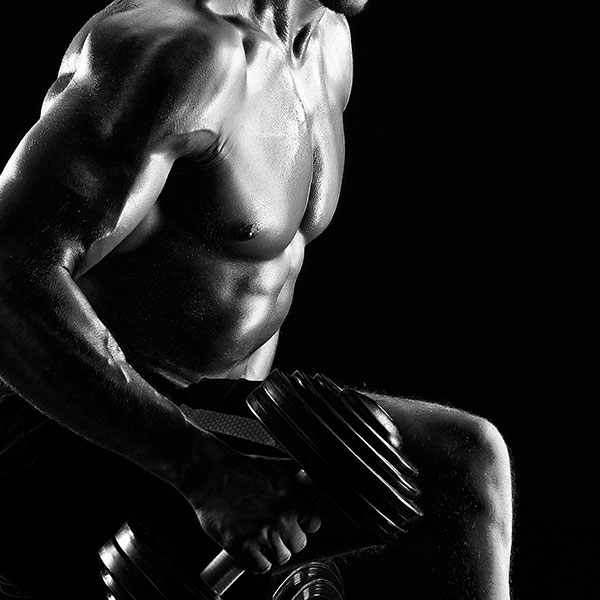
What Is Fitness-Based Body Sculpting? Training, Muscle Building and Fat Loss Explained
When people say they want to “sculpt” their body, they are usually talking about developing a stronger, more defined physique through exercise and healthier habits. Fitness-based body sculpting uses structured strength training, muscle development, physical activity, nutrition, and consistency to support changes in body composition and overall physique.
Unlike cosmetic or medical approaches to body contouring, fitness-based body sculpting is a training-focused concept. The goal is to build strength, develop lean muscle, support healthy fat loss when appropriate, and improve physical conditioning over time.
What Is Fitness-Based Body Sculpting?
Fitness-based body sculpting is an exercise-focused approach to physique development that combines resistance training, muscle development, physical activity, nutrition, and consistency to improve body composition, strength, and muscle definition.
It is not simply about making the number on the scale smaller. A well-structured approach considers how much muscle you develop, how your body composition changes, how strong you become, and how your overall physique develops.
Fitness-based body sculpting may involve:
- Strength and resistance training
- Muscle development
- Fat-loss support
- Improved muscular strength and endurance
- Better exercise technique
- Consistent physical activity
- Nutrition and adequate protein intake
- Recovery and rest
The result is not the same for everyone because genetics, training history, nutrition, lifestyle, recovery, and individual goals all influence physical changes.
How Does Body Sculpting Through Exercise Work?
Body sculpting through exercise works by providing the body with consistent training stimuli that encourage muscle adaptation while appropriate nutrition and physical activity support healthy changes in body composition.
Resistance training places controlled stress on muscles. With consistent training and recovery, the body adapts by becoming stronger and better able to handle that workload.
The general process can be viewed as:
Resistance training → muscle stimulus → recovery and adaptation → improved strength and muscle development → changes in physique
For someone trying to build a more defined physique, strength training can help develop the underlying muscle while an appropriate nutrition and activity strategy can support fat loss when needed.
It is important to understand that exercise cannot selectively remove fat from one specific body area. Where the body stores and loses fat is influenced by factors such as genetics, hormones, energy balance, and individual physiology.
The Role of Strength Training in Body Sculpting
Strength training is one of the most important components of strength training for body sculpting because it provides a direct stimulus for muscle development and strength improvement.
Body sculpting with strength training may include movements such as squats, presses, rows, deadlift variations, lunges, and other resistance exercises.
An effective strength-training approach generally considers:
Progressive Overload
Muscles need an appropriate training stimulus to adapt. Progressive overload means gradually increasing a training challenge over time. This might involve increasing resistance, repetitions, sets, movement difficulty, or improving exercise execution.
Progression should be appropriate to the individual’s experience and recovery capacity rather than simply adding more weight every workout.
Exercise Technique
Good technique helps an individual perform movements effectively and consistently. Beginners should focus on learning movement patterns before worrying about lifting heavy loads.
Training Consistency
A single workout does not create a long-term physique change. Regular training performed over time provides repeated opportunities for adaptation.
Recovery
Muscles need recovery between demanding training sessions. Sleep, nutrition, rest days, and appropriate training volume all contribute to the recovery process.
Muscle Building and Body Sculpting
Muscle building for body sculpting focuses on developing muscle tissue so the physique can become stronger and more developed.
Building muscle requires more than simply performing a large number of exercises. Training needs to provide an appropriate stimulus, while nutrition and recovery support the adaptation process.
Important factors include:
- Progressive overload
- Appropriate training volume
- Effective exercise selection
- Consistent resistance training
- Adequate recovery
- Sufficient protein intake
- Overall nutrition
- Long-term consistency
If your goal is to build lean muscle, your program should be designed around your current ability and gradually adjusted as your strength and experience improve.
Muscle development can contribute to changes in muscle shape and definition, but individual results vary. Genetics, age, training history, nutrition, sleep, and other lifestyle factors can all influence how quickly someone develops muscle.
How Fat Loss Fits Into Body Sculpting
Fat loss and muscle building are related but distinct parts of body composition. Someone may want to develop more muscle while also reducing overall body fat, depending on their starting point and goals.
Body sculpting for fat loss should not mean extreme dieting or trying to lose weight as quickly as possible. Sustainable calorie management, regular physical activity, strength training, nutrition, and recovery are generally more useful for long-term progress.
Reducing overall body fat can make existing muscle development more visible. However, performing an exercise for a particular body part does not guarantee that fat will be lost from that exact area.
For example, abdominal exercises can strengthen the core, but they cannot specifically direct the body to burn abdominal fat.
A balanced approach may therefore combine:
- Resistance training to develop and maintain muscle
- Regular physical activity
- Appropriate calorie management
- Adequate protein and balanced nutrition
- Sufficient recovery
- Consistent training
The objective is to improve overall body composition rather than chase a single number on the scale.
What Are the Best Body Sculpting Exercises?
There is no single universally best body sculpting exercise. The most useful exercises depend on a person’s goals, experience, movement ability, available equipment, and overall program.
A well-rounded program may include exercises from several movement categories.
Lower-Body Exercises
Examples include:
- Squats
- Lunges
- Romanian deadlifts
- Hip thrusts
- Glute bridges
These movements can train the hips, glutes, hamstrings, and legs while contributing to overall lower-body strength.
Upper-Body Exercises
Examples include:
- Rows
- Push-ups
- Chest presses
- Shoulder presses
- Lat pulldowns
These movements can support upper-body strength and muscle development across the chest, back, shoulders, and arms.
Core Exercises
Examples include:
- Planks
- Dead bugs
- Pallof presses
- Other controlled core-strength movements
Core training can help develop muscular strength and stability while complementing larger strength movements.
The most effective body sculpting exercises are those that fit into a structured program and can be performed safely with appropriate progression.
What Does a Body Sculpting Workout Look Like?
A body sculpting workout can vary significantly depending on the individual’s goals and training experience.
Rather than copying a random workout online, a structured session may include several components:
- Warm-up – Prepare the body for the movements and training ahead.
- Compound movements – Perform larger exercises that train multiple muscle groups.
- Accessory exercises – Add targeted movements based on individual goals.
- Core training – Include appropriate core-strength exercises when relevant.
- Progressive overload – Track training and gradually increase the challenge.
- Rest periods – Allow appropriate recovery between sets.
- Cool-down or recovery work – Finish the session appropriately based on the workout.
Sets, repetitions, resistance, rest periods, and exercise selection should be adjusted according to the person’s training level and goals.
A beginner, an experienced lifter, and someone returning to exercise after a long break may all require very different approaches.
How to Improve Body Composition Through Training
Body composition refers to the relative amounts of fat mass and lean mass in the body. It provides a different perspective from body weight alone.
Two people can weigh the same amount while having different proportions of muscle and body fat.
To improve body composition, a training program may combine resistance training with regular physical activity and appropriate nutrition.
Strength training is particularly useful because it provides a stimulus for maintaining or developing muscle. Nutrition and overall energy balance also influence changes in body fat.
Progress can therefore be evaluated through multiple factors, such as:
- Strength improvements
- Training performance
- Changes in measurements
- Muscle development
- How clothing fits
- Progress photos, when appropriate
- Changes in body weight
- Overall fitness and conditioning
Looking at several indicators can provide a more complete picture than relying exclusively on the scale.
Can Beginners Try Fitness-Based Body Sculpting?
Yes. Beginners can participate in fitness-based body sculpting by starting with appropriate resistance exercises, learning proper technique, and progressing gradually.
A beginner does not need an advanced workout routine to start developing strength. In many cases, the priority should be learning fundamental movement patterns and building consistency.
A beginner-friendly approach may involve:
- Starting with manageable resistance
- Learning correct exercise technique
- Using controlled movement
- Gradually increasing training difficulty
- Allowing adequate recovery
- Establishing realistic goals
- Maintaining consistent workouts
Anyone who is unsure how to structure training or perform exercises safely can benefit from working with a qualified fitness professional.
What Makes a Body Sculpting Fitness Program Effective?
An effective body sculpting fitness program should be designed around the individual rather than based on a one-size-fits-all routine.
A program may consider:
- Current fitness level
- Training experience
- Individual goals
- Schedule
- Exercise preferences
- Strength and conditioning
- Recovery capacity
- Available equipment
- Nutrition and lifestyle
Progressive overload is important, but so are exercise selection, consistency, recovery, and progress tracking.
A good program should also be adaptable. As strength and fitness improve, exercises, resistance, volume, or training structure may need to change.
The objective is not to make every workout harder simply for the sake of difficulty. It is to provide the right amount of training stimulus while allowing the body enough time to recover and adapt.
Common Mistakes With Body Sculpting Workouts
Understanding what not to do can be just as useful as understanding what to do.
Expecting Spot Reduction
Exercises can strengthen specific muscles, but they cannot determine exactly where the body loses fat.
Changing Workouts Too Frequently
Constantly switching exercises can make it difficult to track progression. A structured program gives you an opportunity to improve performance over time.
Ignoring Progressive Overload
Repeating the same training challenge indefinitely may limit continued progress. Training should evolve appropriately as fitness improves.
Focusing Only on Cardio
Cardiovascular activity has an important role in fitness, but strength training can also be valuable when the goal includes muscle development and physique development.
Ignoring Recovery
More training is not always better. Recovery is part of the training process.
Using Poor Technique
Adding resistance before mastering movement technique can create unnecessary problems. Quality movement should remain a priority.
Following Extreme Diets
Aggressive restriction may be difficult to maintain and can interfere with training, recovery, and overall wellbeing.
Measuring Progress Only by Scale Weight
Body weight does not tell the complete story of muscle development, fat loss, strength, or body composition.
Expecting Immediate Results
Physique development takes time. Consistent training, nutrition, recovery, and realistic expectations are more sustainable than chasing rapid changes.
Building a More Defined Physique With Personalized Training
Fitness-based body sculpting is ultimately about more than performing a collection of exercises. It involves combining strength training, muscle development, physical activity, nutrition, recovery, and consistency in a way that supports your individual goals.
For people in Lake Worth, FL, personalized fitness coaching can provide a more structured approach to this process. D Mac Fit Coach can help individuals work through goals related to strength training, body sculpting, muscle development, fat-loss support, body composition, and structured fitness programming.
Personalized coaching can help with exercise selection, training structure, proper technique, progression, progress tracking, and adjustments as your fitness level changes.
Ready to Build a Stronger, More Defined Physique?
If you want to approach body sculpting through structured exercise rather than random workouts, personalized coaching can help create a training approach that fits your goals, experience, schedule, and recovery needs.
Explore D Mac Fit Coach for personalized support with strength training, body sculpting, muscle development, fat-loss goals, body composition, and fitness programming in Lake Worth, FL.
Frequently Asked Questions (FAQs)
1. What is fitness-based body sculpting?
Fitness-based body sculpting is an exercise-focused approach to improving physique and body composition through resistance training, muscle development, physical activity, nutrition, and consistency. It focuses on developing strength and muscle while supporting appropriate fat-loss goals.
2. Can you sculpt your body through exercise?
Yes. Consistent exercise, particularly resistance training, can help develop muscle and strength while appropriate nutrition and physical activity can support changes in body composition. The extent and appearance of changes vary between individuals.
3. Does strength training help with body sculpting?
Yes. Strength training provides a stimulus for muscle development and can help improve strength, muscle definition, and overall body composition when combined with appropriate nutrition and consistent training.
4. What exercises are good for body sculpting?
Useful exercises can include squats, lunges, Romanian deadlifts, hip thrusts, rows, presses, pulldowns, push-ups, planks, and other resistance movements. Exercise selection should match individual goals, ability, and program structure.
5. Can body sculpting workouts help build lean muscle?
Yes. Resistance-based body sculpting workouts can support muscle development when training provides an appropriate stimulus and is combined with adequate nutrition, protein intake, recovery, and progressive overload.
6. Does fitness-based body sculpting help with fat loss?
It can support fat-loss goals when combined with appropriate nutrition, physical activity, and sustainable calorie management. However, exercise cannot selectively remove fat from one specific body area.
7. Can beginners start body sculpting workouts?
Yes. Beginners can start with manageable resistance exercises, appropriate technique, and gradual progression. A personalized approach can help beginners learn movements and establish sustainable training habits.
8. How often should you train for body sculpting?
Training frequency depends on your goals, experience, schedule, recovery, and overall program. Rather than focusing on one universal number of workouts, a consistent and recoverable training schedule is generally more useful.